Sewage Backup Cleanup South Salt Lake: Health Risks & Professional Restoration
Sewage backup is the water damage event that homeowners in South Salt Lake are most likely to attempt to clean up themselves — and the most dangerous one to do so. Unlike a burst pipe that releases clean water, a sewage backup releases Category 3 black water: a biohazard containing E. coli, hepatitis A virus, salmonella, and other pathogens that cause illness through skin contact alone, not just ingestion. The standard reaction — put on rubber gloves, mop up the sewage, and use bleach to disinfect — does not achieve the decontamination standard needed to make the space safe. This post explains exactly what health risks sewage backup creates in South Salt Lake homes, why professional IICRC-certified cleanup is necessary, and what the restoration process actually involves.
Sewage Backup Emergency — South Salt Lake 24/7 Biohazard Response
IICRC AMRT-certified sewage cleanup with EPA-approved disinfection. Leave the area and call now. (877) 698-1311.
Health Risks of Sewage Exposure in South Salt Lake Homes
Raw sewage contains a complex mixture of pathogens at concentrations that far exceed the thresholds for causing illness. The primary health risks from sewage exposure in a South Salt Lake home include:
Bacterial pathogens: E. coli O157:H7, salmonella, campylobacter, and shigella are all commonly present in household sewage. E. coli O157:H7 can cause kidney failure in children and immunocompromised individuals from relatively small exposure doses. Contamination of hands that then contact food or mucous membranes is the primary transmission route.
Viral pathogens: Hepatitis A virus and norovirus are stable in sewage for extended periods and can cause serious illness through environmental surface contact. Hepatitis A causes liver disease requiring weeks to months of recovery. Norovirus causes severe gastrointestinal illness.
Parasitic contamination: Cryptosporidium and Giardia cysts are common in sewage and are resistant to standard household disinfectants at normal household concentrations. These parasites cause prolonged gastrointestinal illness.
Airborne exposure: When sewage is disturbed — mopped, splashed, or vacuumed with standard equipment — it aerosolizes particles that can be inhaled. Inhalation exposure bypasses many of the body’s surface barriers and represents a meaningful exposure route in enclosed spaces with inadequate ventilation.
The health risk is not hypothetical — it is documented in the professional literature on sewage backup events and is the basis for the IICRC’s Category 3 protocols that require full PPE (respirator, Tyvek suit, gloves, booties) for all personnel working in sewage-affected areas.
Why Consumer Cleanup Approaches Fail for Sewage Events in South Salt Lake
The typical consumer response to sewage backup — mopping with diluted bleach — fails to achieve adequate decontamination for several documented reasons. First, bleach at consumer dilutions (1:10) achieves pathogen kill only on non-porous surfaces that it contacts at full concentration for the full required dwell time. Porous surfaces — concrete, drywall, wood — absorb and dilute bleach before it can achieve kill at depth. Second, sewage-saturated materials cannot be disinfected in place — they must be removed because the contamination extends throughout the thickness of the material, not just the surface.
Third, household mopping and cleaning distributes contamination across a wider area rather than removing it — sewage water tracked across concrete or wood flooring contaminates every surface contacted. Professional extraction removes sewage from surfaces rather than spreading it, and containment barriers prevent the spread of contamination to previously unaffected areas during cleanup work.
In South Salt Lake’s older housing stock — with concrete block basement walls, crawlspace areas, and aged plumbing — sewage backup often affects multiple surfaces simultaneously, requiring systematic decontamination of every contact surface in a defined sequence. This is not achievable with consumer equipment and cleaning products.
Why Sewage Backups Are Common in South Salt Lake
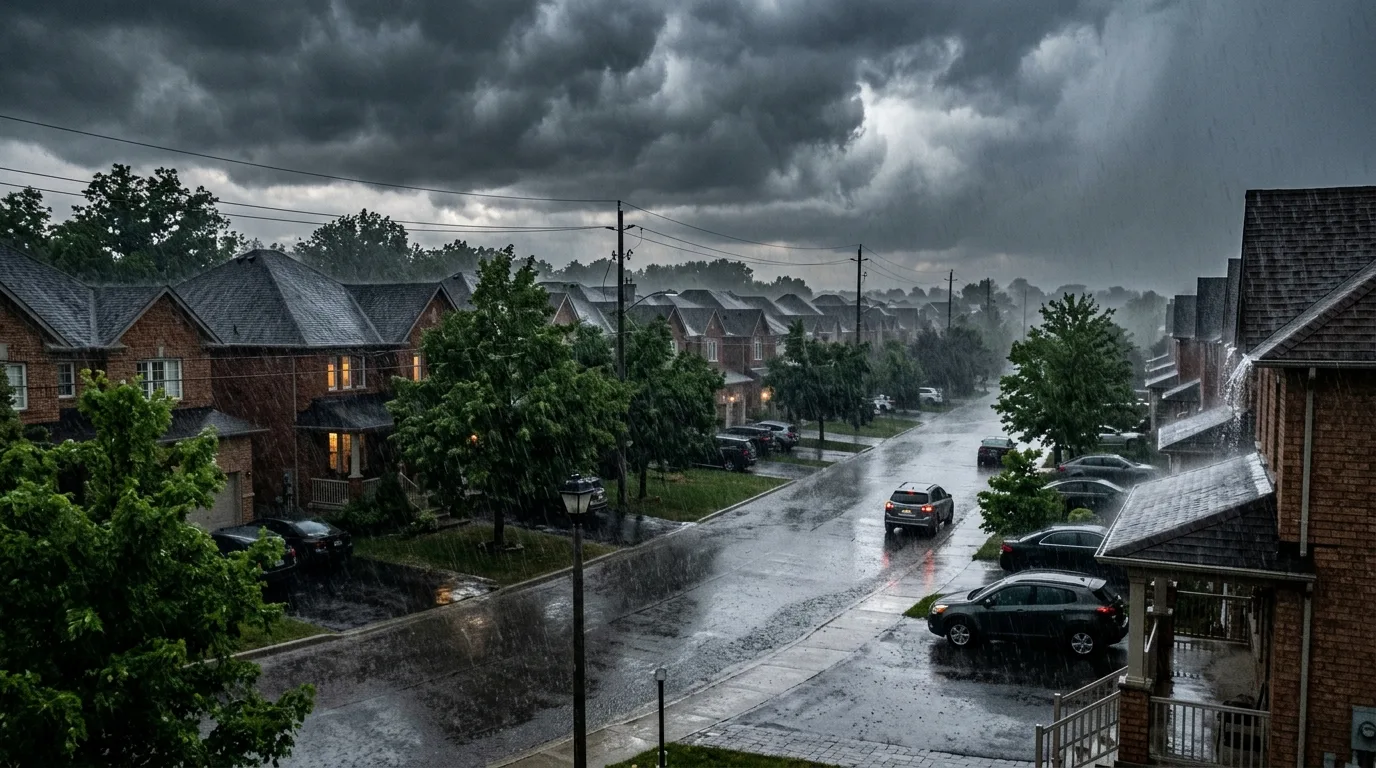
South Salt Lake’s municipal sewer infrastructure serves a mixed residential, commercial, and industrial area along the I-15 corridor that has grown significantly in recent decades. The municipal sewer system experiences hydraulic overload during peak rainfall and snowmelt events when storm drainage and sanitary sewage volumes combine to exceed system capacity. During these events — which occur most frequently in spring during Wasatch snowmelt and during summer thunderstorms — pressure in the municipal system forces sewage back through residential floor drains, the path of least resistance.
Older sewer lines in the Central Pointe neighborhood and surrounding areas can also develop blockages from tree root intrusion and accumulated grease that cause backups independent of municipal system conditions. These blockages direct sewage back through floor drains or overflow from toilet fixtures in the lowest connected areas of the home — typically basement bathrooms and utility rooms.
South Salt Lake Sewage Cleanup — AMRT Certified Team
EPA-approved disinfection, biohazard material removal, and full insurance documentation. Call (877) 698-1311.
How Professional Sewage Cleanup Works in South Salt Lake
Our sewage cleanup process begins with containment establishment before any physical work begins. Containment barriers with negative air pressure prevent cross-contamination of clean areas during remediation work. All personnel entering the affected area don full PPE: N95 or P100 respirators, disposable Tyvek suits, nitrile gloves, and boot covers.
Extraction of sewage and contaminated water uses truck-mounted extraction equipment — not submersible pumps that aerosolize sewage. All porous materials in contact with sewage are removed and bagged in sealed heavy-duty polyethylene bags for EPA-compliant disposal — drywall, insulation, carpet, pad, and personal property that cannot be professionally cleaned. Structural surfaces (concrete floors, block walls, wood framing) are treated with EPA-registered disinfectant applied at validated concentrations and allowed the full required dwell time for pathogen kill.
HEPA air scrubbers run throughout the remediation and for a minimum of 24 hours after physical work is complete to capture any airborne particles disturbed during cleanup. Final clearance — visual inspection and air quality assessment — confirms the space is safe before containment is removed and before occupants may re-enter.
Cost Factors for Sewage Cleanup in South Salt Lake
Sewage cleanup in South Salt Lake typically costs $2,000–$10,000+ depending on volume, area affected, and structural material removal required. Category 3 black water cleanup runs $7–$7.50 per square foot for the mitigation phase alone. Most homeowner insurance policies cover sudden sewage backup events — particularly those caused by blocked municipal lines. Review your specific policy for sewage backup endorsements, as some policies exclude it from the base coverage.
Frequently Asked Questions
Is it safe to stay in my South Salt Lake home after a sewage backup?
No — the affected areas of your home are not safe for occupancy until professionally remediated and cleared. Restrict access to the affected space and, if the event is significant, consider temporary relocation during the remediation process. After our AMRT-certified team completes remediation and clearance testing, we verify the space is safe before closing the project.
How long does sewage cleanup take in South Salt Lake?
Sewage cleanup in South Salt Lake typically takes 3–7 days from initial response to structural drying clearance. Day one focuses on containment, extraction, and material removal. Days two through five involve structural drying, antimicrobial treatment, and HEPA air scrubbing. Larger events can extend beyond 7 days. See our full process at sewage cleanup services.
Can I prevent future sewage backups in my South Salt Lake home?
Three preventive measures address the most common sewage backup causes in South Salt Lake: (1) Install a floor drain backflow preventer that allows water to drain out but prevents sewage from backing in. (2) Have your sewer line inspected with a camera to identify tree root intrusion or line condition issues. (3) Avoid flushing non-biodegradable items and minimize grease disposal in drains. These steps don’t eliminate all risk but address the most preventable causes.
Sewage Backup — Professional Biohazard Cleanup in South Salt Lake
IICRC AMRT-certified team, EPA-approved disinfection, all insurance carriers. Call (877) 698-1311.
Related: