Water Damage Categories South Salt Lake: What Homeowners Need to Know
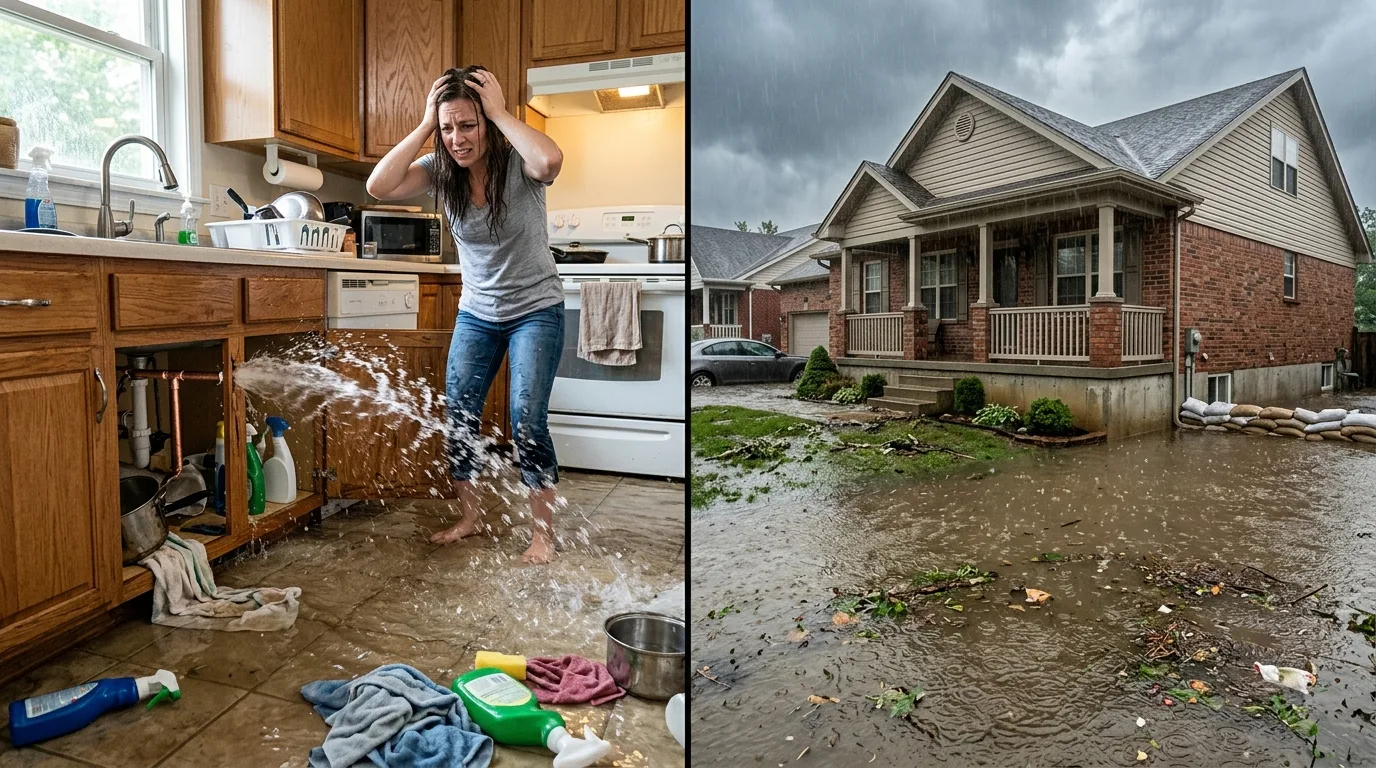
When a water damage restoration contractor tells you that your basement flood is “Category 2” or that your sewage backup is “Category 3,” those are not arbitrary labels — they are IICRC-defined classifications that directly determine the protocols required, the cost of restoration, and how much of the work your insurance policy covers. South Salt Lake homeowners who understand the water category system can make faster decisions in an emergency, understand why their restoration estimate is what it is, and avoid the common mistake of treating Category 3 events as Category 1 problems. This post explains all three categories with specific examples from common South Salt Lake water damage events.
IICRC-Certified Water Damage Restoration — South Salt Lake
Accurate water category assessment from your first call. Free assessment. Call (877) 698-1311.
Why Water Categories Matter for South Salt Lake Homeowners
The IICRC S500 standard for water damage restoration defines three water categories based on the biological and chemical contamination level of the source water. These categories determine which cleaning agents are used, whether porous materials must be removed or can be dried in place, what level of PPE technicians must use, and what documentation your insurance adjuster requires.
Getting the water category wrong has real consequences. Treating Category 3 sewage backup as Category 1 by drying in place rather than removing porous materials leaves pathogens in your home and may void your insurance coverage if the adjuster determines the restoration was not completed to the appropriate standard. Treating Category 1 burst pipe water as Category 3 by removing all materials unnecessarily increases your restoration cost significantly. Accurate category determination at the outset — by an IICRC-certified technician — drives the entire restoration protocol.
Water category can also change over time. Category 1 clean water that sits on a contaminated surface for more than 24–72 hours upgrades to Category 2. Category 2 gray water that contacts sewage-contaminated surfaces upgrades to Category 3. This is one of the primary reasons response speed matters so much for South Salt Lake homeowners: a fast response preserves the cleaner water category, enabling a less invasive and less expensive restoration approach.
Category 1: Clean Water
What it is: Water from a sanitary source that presents no substantial risk from dermal, ingestion, or inhalation exposure. Clean water events include burst supply pipes, supply-line appliance failures (washing machine supply hose, refrigerator water line), toilet tank overflows (tank water only, not bowl), and melting snow or ice that hasn’t contacted contaminated surfaces.
South Salt Lake examples: A burst copper supply line in a Popperton Park home’s kitchen wall during a January freeze-thaw event. A washing machine supply hose failure in a laundry room. A water heater pressure relief valve discharge.
Restoration protocol: Extraction and structural drying to IICRC clearance standards. Porous materials can typically be dried in place if the response is rapid (within 24 hours). If Category 1 water contacts a contaminated surface or sits longer than 24–72 hours without treatment, it upgrades to Category 2.
Cost range: $3–$4 per square foot for mitigation in South Salt Lake. Total event cost: $450–$6,270 depending on square footage.
Insurance: Covered under standard Utah homeowner policies as sudden and accidental internal water damage.
Category 2: Gray Water
What it is: Water that contains significant contamination from chemical, biological, or physical agents that can cause discomfort or illness upon exposure. Gray water does not contain sewage, but it is not safe for contact. Sources include: washing machine discharge water, dishwasher discharge, toilet overflow (water from bowl without feces), aquarium water, and — critically — snowmelt-driven basement seepage in Salt Lake County.
South Salt Lake examples: Basement flooding from snowmelt-saturated Salt Lake County soils seeping through foundation walls in March or April. A failed sump pump allowing groundwater to accumulate in a basement (groundwater from the Salt Lake Valley carries soil minerals and potential agricultural contamination, classifying it as Category 2). A dishwasher supply line failure discharging water that contacts the contaminated subfloor space.
Restoration protocol: Extraction and antimicrobial treatment of all surfaces in addition to structural drying. Porous materials that absorbed Category 2 water are assessed individually — some can be dried in place with antimicrobial treatment, others must be removed depending on contamination level and porosity. Category 2 upgrades to Category 3 if it contacts known sewage-contaminated surfaces or sits untreated longer than 24–48 hours.
Cost range: $4–$7 per square foot for mitigation in South Salt Lake. Total event cost: $1,361–$7,000+ depending on square footage and material removal required.
Insurance: Covered under standard Utah homeowner policies for internal sudden events. Snowmelt-driven basement seepage from external sources may fall under flood insurance rather than homeowner insurance depending on the specific entry mechanism.
Water Category Assessment — South Salt Lake Emergency Response
IICRC-certified technicians accurately classify your water damage from first call. Call (877) 698-1311 — 24/7.
Category 3: Black Water
What it is: Grossly contaminated water containing pathogens from sewage, river overflow, or other sources that pose a serious health risk through any exposure route. Category 3 water requires full biohazard protocols for all work in the affected area.
South Salt Lake examples: Sewage backup through basement floor drains during municipal system overload — common in older South Salt Lake neighborhoods during spring snowmelt and summer thunderstorm events. Direct Jordan River overflow water contacting interior spaces. Any Category 1 or 2 water event that is not addressed for 48–72 hours. Toilet overflow from the bowl (as opposed to tank). Floodwater from outside that has contacted sewage or chemical contaminants.
Restoration protocol: Full biohazard protocols throughout. All porous materials contacted by Category 3 water are removed and disposed of — drywall, insulation, carpet, pad, and any personal property that cannot be professionally cleaned. No exceptions for material drying in place. EPA-registered disinfectants applied at validated concentrations and full dwell times. HEPA air scrubbers from the start of work through clearance. Post-remediation clearance testing before containment removal.
Cost range: $7–$7.50 per square foot for mitigation in South Salt Lake. Total event cost: $2,000–$16,000+ depending on square footage and structural involvement. Sewage cleanup service page covers this in detail.
Insurance: Covered for sudden sewage backup events under homeowner policies that include sewer backup endorsements. Jordan River overflow is flood insurance territory, not homeowner insurance. Verify your endorsements before assuming coverage.
Practical Tips for South Salt Lake Homeowners
Do not assume your event is Category 1: Anytime water enters your home from outside the building envelope (through foundation walls, floor drains, or window wells), treat it as Category 2 until a certified technician assesses it. Snowmelt-driven basement seepage in South Salt Lake is almost always Category 2, not the clean-water event that homeowners often assume.
Act faster on Category 2 and 3: Time urgency is highest for Category 2 and 3 events because these categories can upgrade to a higher category over time, and because the contamination in these waters begins affecting more surfaces with every hour. A Category 2 event addressed in 2 hours is typically less expensive and less invasive than the same event addressed in 24 hours.
Understand upgrade timing: A Category 1 burst pipe event in a South Salt Lake home discovered the morning after it failed overnight has likely already upgraded to Category 2 — the water has been in contact with dust, debris, and potentially contaminated surfaces for 8+ hours. Accurate category determination requires an on-site assessment with a certified technician, not an assumption based on source alone.
Frequently Asked Questions
How do I know what water category my South Salt Lake flood event is?
The definitive determination requires an on-site assessment by an IICRC-certified Water Damage Restoration Technician. Source water alone is a starting point, not a final answer — a technician will assess the source, time elapsed since the event, surfaces contacted, and any indicators of sewage or chemical contamination before classifying the event. Call us at (877) 698-1311 and we’ll make this determination on arrival at your South Salt Lake property.
Does water category affect my insurance coverage in South Salt Lake?
Yes — water category can affect both coverage and the required documentation. Your insurance adjuster will want confirmation of the water category to validate the scope of work required. Category 3 events require significantly more documentation because the material removal scope must be justified by the contamination level. Our IICRC-certified assessment and daily documentation package provides exactly what your adjuster needs. See our insurance claim navigation guide for more detail.
Can Category 1 water become Category 3 in South Salt Lake?
Yes — but it requires contact with sewage-contaminated surfaces or extended time (typically 48–72+ hours) rather than a direct upgrade from 1 to 3. A more common progression in South Salt Lake is Category 1 (burst pipe) upgrading to Category 2 after sitting overnight, then potentially to Category 3 if it contacts sewage-contaminated floor drain areas in the basement. This is one reason why prompt professional response — before category upgrades occur — consistently produces lower-cost restoration outcomes.
IICRC-Certified Water Category Assessment in South Salt Lake
Accurate assessment, right protocol, full insurance documentation. Call (877) 698-1311 — 24/7 emergency response.
Related: