Burst Pipes South Salt Lake, UT: Prevention & Emergency Response Guide
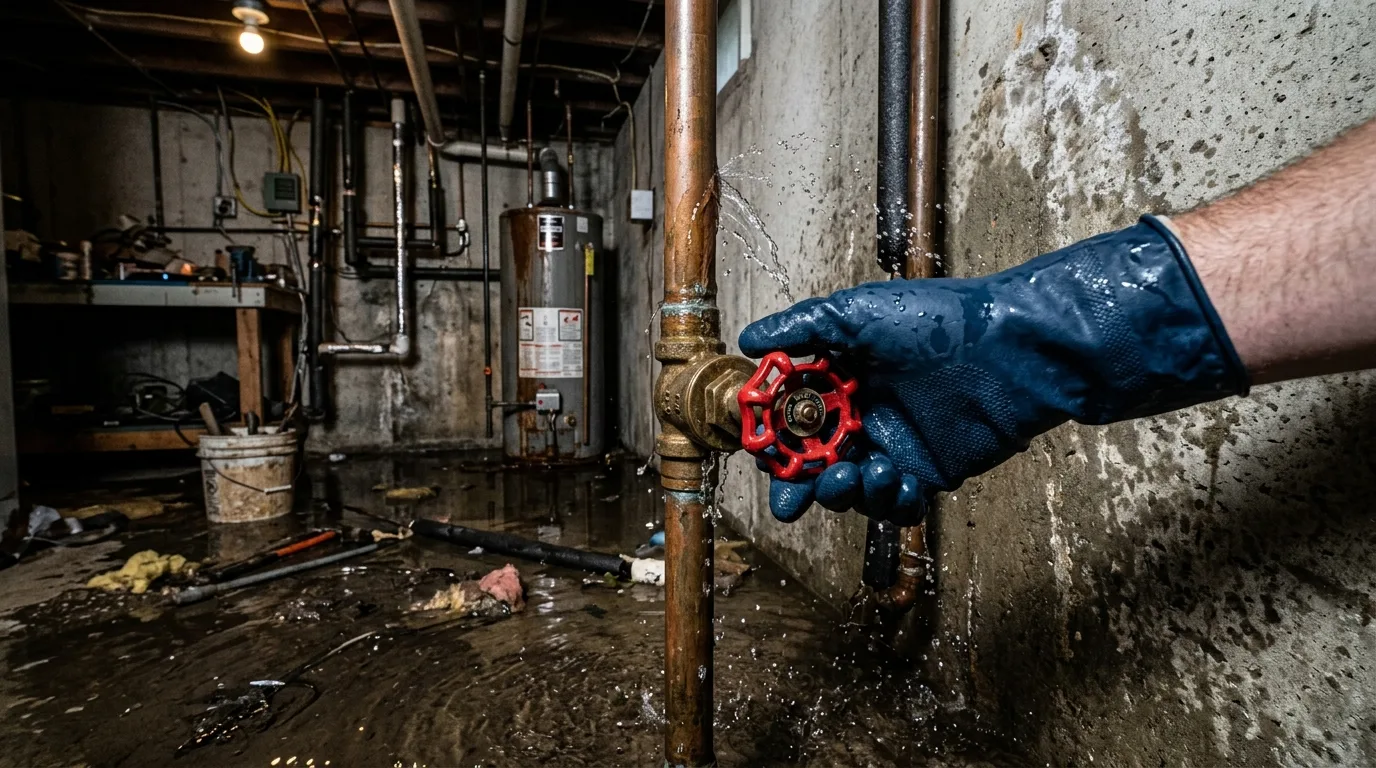
South Salt Lake’s winter temperature swings between highs in the low 40s and overnight lows well below freezing create repeated freeze-thaw cycles that stress household plumbing every January and February. When a pipe freezes and then bursts during the thaw, the resulting water discharge can flood an entire room in minutes — and water inside wall cavities saturates insulation and framing that takes days to dry properly even with professional equipment. This guide covers why burst pipes happen in South Salt Lake, UT homes specifically, practical steps to prevent them before winter, and emergency response steps if prevention wasn’t enough.
Burst Pipe Flooding in South Salt Lake? Call 24/7
IICRC-certified water extraction and structural drying. 60-minute emergency response. Call (877) 698-1311.
Why South Salt Lake Homes Are Vulnerable to Burst Pipes
The same freeze-thaw cycle that makes South Salt Lake’s Wasatch front scenery dramatic is the primary driver of residential pipe failures every winter. Water expands by approximately 9% when it freezes — and in a sealed pipe, that expansion has nowhere to go except outward. Pipes burst not at the ice blockage point but at the weakest point in the line, often in an uninsulated section of exterior wall, crawlspace, or garage. When temperatures thaw, the burst section begins discharging at full supply pressure.
South Salt Lake’s housing stock includes a substantial number of older homes where pipe insulation was not standard practice during original construction. In these properties, supply lines running through exterior walls or unheated crawlspaces are exposed to ambient temperatures that can drop below freezing during January cold snaps. The city’s semi-arid climate can make homeowners complacent about freeze risk — “it doesn’t get that cold here” — until a sustained cold snap sends overnight temperatures into the single digits Fahrenheit and pipes that have never frozen before reach failure point.
The local soil conditions also play a role: South Salt Lake’s clay-heavy Salt Lake County soils insulate ground-level pipes differently than sandy soils, but pipes in crawlspaces and above-grade utility chases have no such protection. Homes in the Popperton Park area and the western sections of South Salt Lake with older construction and minimal crawlspace insulation face the highest freeze risk during sustained cold weather periods.
Types of Burst Pipe Events in South Salt Lake
Exterior wall supply lines: Cold water supply pipes running through exterior-facing walls without adequate insulation — the most common burst pipe scenario in South Salt Lake’s older residential areas.
Crawlspace pipes: Supply and drain lines in uninsulated crawlspaces exposed to outdoor ambient temperatures during sustained cold snaps.
Garage water heater supply lines: Attached garages are frequently unheated, and water heater supply and relief lines in these spaces are vulnerable during extended cold weather.
Irrigation system backflow preventers: Outdoor irrigation systems whose backflow preventers were not properly drained and blown out before freeze season can burst at the preventer assembly.
Vacation home or unoccupied property: Pipes in homes left at or below 55°F — the minimum recommended interior temperature to prevent pipe freezing — are at high burst risk.
Attic pipes: Supply lines routed through uninsulated attic spaces, common in some South Salt Lake construction periods, are particularly vulnerable because attic temperatures can drop below outdoor ambient during clear cold nights.
Prevention Steps Before Winter Freeze Season
Insulate vulnerable pipe sections: Pipe wrap insulation ($1–$3 per linear foot) applied to supply lines in crawlspaces, garage utility chases, and exterior-facing wall cavities provides meaningful freeze protection. Focus on pipes in the coldest areas of your home first.
Maintain minimum interior temperatures: Keep thermostat set no lower than 55°F even when away — the cost of heating is far less than the cost of burst pipe water damage restoration in South Salt Lake.
Open cabinet doors during cold snaps: Kitchen and bathroom cabinets on exterior walls house supply lines that benefit from shared interior warmth. Opening cabinet doors during sustained cold weather allows warm air circulation to vulnerable pipe sections.
Drain outdoor irrigation and hose bibs: Before the first freeze, shut off and drain all outdoor irrigation zones and disconnect garden hoses. Close the interior shutoff valve for outdoor hose bibs and open the exterior bib to allow any residual water to drain.
Locate your main water shutoff: Know where your main water shutoff is before a pipe bursts. A burst pipe can discharge hundreds of gallons before anyone realizes what happened — finding the shutoff quickly is the difference between a minor and major loss.
Seal crawlspace vents in winter: Crawlspace vents allow cold outdoor air to reach pipes during winter. Install crawlspace vent covers or insulate and seal vents before the freeze season to maintain above-freezing temperatures in the crawlspace.
Burst Pipe Water Damage — South Salt Lake Emergency Team
We extract, dry, and document burst pipe water damage throughout Salt Lake County. IICRC certified. All insurance carriers. Call (877) 698-1311.
How Burst Pipe Restoration Works in South Salt Lake
When a pipe bursts inside a wall cavity, the restoration challenge is different from a basement flood. Visible surface water may be limited, but the wall cavity, insulation, and subfloor beneath the discharge point are fully saturated. Professional moisture mapping using thermal imaging cameras identifies the full extent of water migration behind walls and under flooring — areas that look dry on the surface but read high moisture on calibrated meters.
After mapping, the restoration team determines whether wall cavities can be dried in place (possible for fast-response events) or require opening and material removal (typical for events where water sat for more than 2–4 hours inside cavities). Industrial air movers and dehumidifiers positioned to target enclosed cavities achieve drying in most residential burst pipe events within 3–5 days.
Structural drying to IICRC clearance targets — typically 12–16% moisture content for wood-framed walls — is the standard for restoration completion. Documentation of pre-drying moisture readings, daily progress readings, and final clearance readings creates the evidence your insurance adjuster needs to confirm the scope and completion of work.
The water damage restoration process for burst pipe events also includes coordinating the plumbing repair — we work with licensed plumbers to repair the burst section before drying equipment is placed, preventing ongoing water introduction during the drying process.
Cost Factors for Burst Pipe Restoration in South Salt Lake
Burst pipe water damage restoration in South Salt Lake typically costs $450–$1,000 for small contained events and $1,361–$6,270 for events affecting multiple rooms or structural cavities. Clean water from a supply pipe runs $3–$4 per square foot for mitigation. Response speed is the primary cost variable: a burst pipe caught within 30 minutes of failure costs far less than one discovered 8 hours later. Standard homeowner policies cover burst pipe events — document the failure before any repair work begins.
Frequently Asked Questions
How do I know if a pipe has burst inside a wall in my South Salt Lake home?
Common indicators include: an unexplained drop in water pressure, a wet or bubbling section of wall, a damp or swollen floor section, water stains appearing on ceilings or walls, the sound of running water when all fixtures are turned off, or an unexpectedly high water bill. If you suspect a wall-cavity burst, call a restoration professional immediately for moisture mapping — waiting for visible water damage means the cavity has already been saturated for an extended period.
Does homeowner insurance cover burst pipe damage in South Salt Lake?
Yes — burst pipe water damage from a sudden and accidental pipe failure is covered by standard homeowner insurance in Utah. Gradual leaks that were not promptly addressed are typically not covered. Document the failure immediately with photos, report the loss to your carrier promptly, and call our emergency restoration team for immediate extraction. We work directly with your adjuster throughout the claim.
Can I prevent mold after a burst pipe in South Salt Lake?
Mold prevention after a burst pipe depends entirely on response speed. Professional extraction and drying begun within 24 hours of a burst pipe event typically prevents mold colonization from establishing. Events where water sat in cavities for 48+ hours often require mold remediation in addition to structural drying. The IICRC-certified drying process — with daily moisture monitoring — is the reliable approach to confirming that moisture levels return below the threshold for mold growth before the job is closed.
Burst Pipe in South Salt Lake — Call for Immediate Help
South Salt Lake Water Damage Restoration: 60-minute emergency response, IICRC certified, all insurance carriers accepted. (877) 698-1311.
Related: