Winter Water Damage Prevention for South Salt Lake Homes
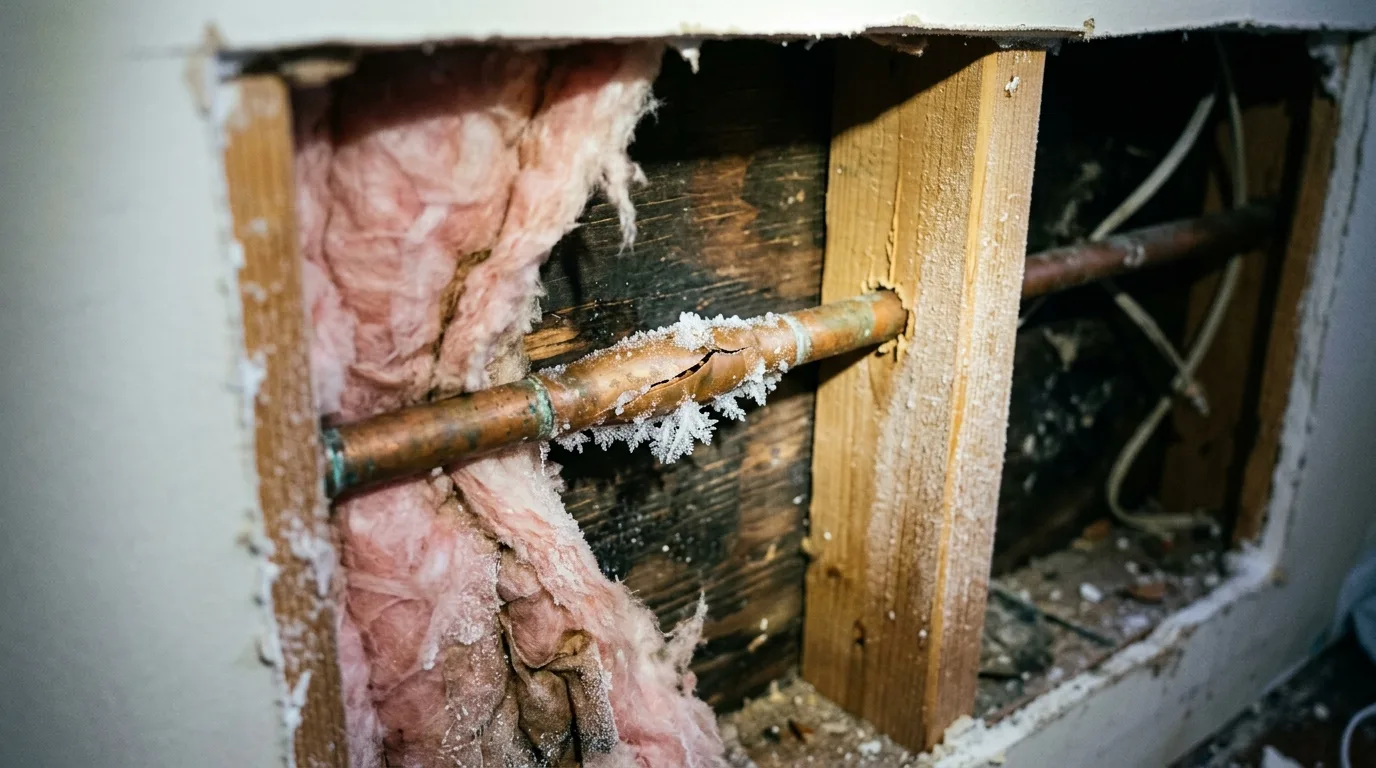
By mid-October, South Salt Lake homeowners have about six weeks before the first hard freeze arrives — and that window is the best time to take the prevention steps that separate a comfortable winter from one marked by burst pipes, ice dams, and flooded basements. The good news is that most winter water damage events in South Salt Lake, UT are preventable with low-cost maintenance steps that take a weekend to complete. This post covers the complete winter prevention checklist specific to the Salt Lake Valley climate, organized by the risk each step addresses.
Winter Water Damage Emergency — South Salt Lake 24/7 Response
If prevention didn't work, our IICRC-certified team responds immediately. Call (877) 698-1311.
Why South Salt Lake Has Elevated Winter Water Damage Risk
Each winter in South Salt Lake, our team responds to dozens of burst pipe events and ice dam water intrusions that follow a predictable pattern. The Salt Lake Valley’s temperature swings — from highs in the 40s to overnight lows in the single digits Fahrenheit during January cold snaps — create repeated freeze-thaw cycles that stress household plumbing and roofing systems multiple times per season. South Salt Lake’s older residential housing stock includes many homes with inadequate pipe insulation in exterior walls and crawlspaces — built before current code standards required insulation in these locations.
The result is that certain homes in South Salt Lake — particularly in older sections of the Popperton Park area and Central Pointe neighborhood — experience burst pipe events almost every heavy-freeze winter. The same homes flood repeatedly because the underlying vulnerability (uninsulated pipe in an exterior wall) is never corrected after the previous event. This prevention checklist addresses those root causes so the cycle breaks.
Pipe Protection Checklist
Identify vulnerable pipe locations: Walk through your home with a flashlight and identify every supply line that runs through a space that could drop below freezing — exterior walls, crawlspaces, garages, attic chases. These are your highest-risk sections.
Insulate exposed pipe sections in crawlspaces: Pipe wrap insulation (foam or fiberglass) costs $1–$3 per linear foot and provides meaningful freeze protection for pipes in crawlspaces and unheated utility spaces. Wrap all supply lines, not just cold water — hot water supply lines also freeze when they cool overnight in an unheated space.
Insulate crawlspace walls or close vents: Crawlspace vents that remain open through winter allow cold ambient air to directly contact pipes. Installing removable vent covers in November and removing them in March maintains above-freezing crawlspace temperatures during the coldest weeks without compromising summer ventilation.
Set minimum thermostat temperature: 55°F is the recommended minimum interior temperature to prevent pipe freezing in most South Salt Lake homes. If you travel during winter, set your thermostat to at least 55°F and have someone check the home periodically.
Open cabinet doors during extended cold snaps: Kitchen and bathroom cabinets on exterior walls contain supply lines that benefit from shared interior warmth during sustained cold periods (more than 3 days below 20°F). Open the cabinet doors during these periods to allow air circulation.
Drain outdoor irrigation and hose bibs: Before the first freeze: shut off interior valves supplying outdoor hose bibs, open the exterior bib to drain residual water, and disconnect all garden hoses. Have your irrigation system blown out by a licensed irrigation contractor to evacuate water from underground lines.
Locate your main water shutoff and test it: Know where your main shutoff is before a pipe bursts. Test that it operates freely — many older shutoffs in South Salt Lake homes seize over years without operation. Have a stuck shutoff repaired before winter so it works when needed.
Roof and Ice Dam Checklist
Inspect and clear gutters: Clogged gutters prevent snowmelt from draining off the roof — forcing it to back up, freeze, and form the ice ridge at the eave that defines an ice dam. Clear leaves and debris before the first freeze.
Check attic insulation levels: Attic insulation at or above R-38 keeps heat in the living space and out of the attic, maintaining a uniformly cold roof deck that prevents the uneven snowmelt that creates ice dams. Have your attic inspected if you’ve experienced ice dams before — undersized insulation is almost always involved.
Clear attic soffit vents: Soffit vent openings blocked by insulation or debris prevent the cold air flow needed to maintain a cold roof deck. Visually inspect soffit vents from the exterior and ensure they are open and unobstructed.
Install heat cables at problem eaves: For homes with consistent ice dam history where attic insulation improvement isn’t feasible, heat cables installed in a zigzag pattern along vulnerable eave sections provide a controlled melt channel. Install before the first snowfall — not after the first ice dam forms.
Have a roof rake available: A long-handled roof rake allows you to remove snow from the lower 3–4 feet of the roof — the ice dam formation zone — after heavy snowfall events. This is especially useful for South Salt Lake homes with lower-slope rooflines.
Winter Water Damage Prevention Inspection — South Salt Lake
We offer pre-season inspections to identify vulnerabilities before the first freeze. Call (877) 698-1311.
Basement and Foundation Checklist
Test your sump pump: Run a bucket of water into the sump pit to confirm the pump activates, runs, and discharges properly. Replace the pump if it’s more than 5–7 years old — before it fails during the first major snowmelt event.
Install a battery backup sump system: Power outages during severe weather events are common in Salt Lake County. A battery backup sump pump activates automatically when the primary pump loses power, preventing backup flooding during the events when you need protection most.
Check your homeowner insurance policy: Review your policy for water damage and flood coverage gaps. Standard policies cover burst pipes and appliance failures but generally exclude external flooding and sewage backup. Consider flood insurance through the NFIP if you’re in a flood-risk zone near the Jordan River. Review your policy in October — not after an event in February.
Inspect the foundation for new cracks: Salt Lake County’s freeze-thaw cycles cause soil movement that can open new cracks in foundation walls. Inspect the exterior of your foundation in early October — before freeze season — and seal any new cracks with hydraulic cement or polyurethane caulk to prevent water entry during spring snowmelt.
Ensure proper grading around foundation: South Salt Lake’s clay soils settle and compact over time, sometimes reversing the grade near the foundation. Check that the soil drops at least 6 inches over the first 10 feet from the foundation on all sides — if not, add soil in the fall before freeze season.
What to Do If Prevention Wasn’t Enough
Despite thorough preparation, water damage events still occur in South Salt Lake — a sudden cold snap can freeze pipes that have never frozen before, or a roof section can fail unexpectedly under a heavy snow load. When that happens, the response protocol matters as much as any prevention step:
Turn off the water source immediately. Document with photos and video before any cleaning begins. Call (877) 698-1311 for immediate professional extraction — our 24/7 team responds in 60 minutes or less to South Salt Lake addresses. Notify your insurance carrier promptly after life-safety steps are complete.
Professional water damage restoration after a winter event limits the scope of damage more reliably than any DIY approach, and our insurance documentation ensures your claim is processed fully. The cost of fast professional response is consistently less than the cost of delayed response that allows water to migrate further and mold to establish.
Frequently Asked Questions
What temperature causes pipes to freeze in South Salt Lake homes?
Pipes in uninsulated exterior walls or crawlspaces typically begin freezing when ambient temperatures around the pipe drop below 20°F — a threshold South Salt Lake reaches several times each winter during hard freeze events. Well-insulated pipes in heated interior walls can withstand much lower temperatures. The risk period in South Salt Lake is primarily December through February, with the highest burst pipe incidence during sustained cold snaps (3+ days below 20°F overnight).
How much does winter water damage prevention cost for a typical South Salt Lake home?
A comprehensive winter prevention inspection and implementation — pipe insulation, sump pump test and replacement if needed, gutter clearing, attic inspection, and foundation inspection — typically costs $200–$800 depending on the scope of work needed. This compares to an average burst pipe restoration event costing $1,500–$4,000. Prevention is consistently the better investment.
Do South Salt Lake homes need flood insurance for winter water damage?
Standard homeowner insurance covers burst pipe events (internal sources) but not external flooding from the Jordan River, ground-level storm flooding, or snowmelt-driven surface flooding. If your property is in or near a FEMA-mapped flood zone, NFIP flood insurance covers the external flooding risk not covered by your homeowner policy. Contact your agent in October to review your coverage before winter arrives.
South Salt Lake Winter Water Damage — 24/7 Emergency Response
IICRC-certified extraction and drying for burst pipe, ice dam, and flood events. All insurance carriers. Call (877) 698-1311.
Related: